
.svg)

How to Recover After Lagree: The FORM Guide to Getting More From Every Session
The Workout Is Only Half of It
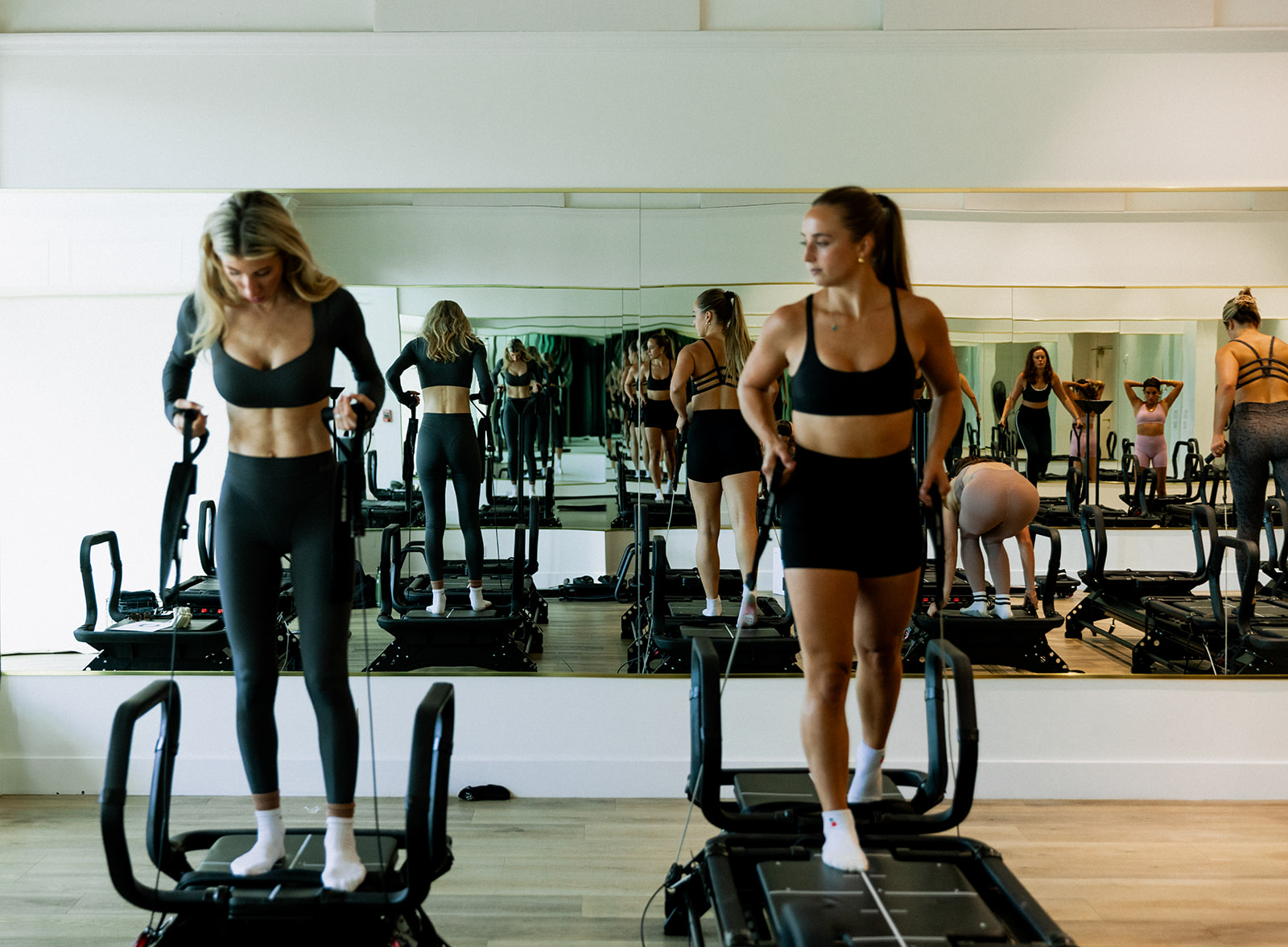
This is the thing that takes most people a while to internalize, regardless of what training method they use. The 45 minutes on the Megaformer creates the stimulus for change. The hours and days between classes are where that change actually happens. Muscle does not grow during a workout. It grows during recovery, when the body repairs the fibers that were stressed and builds them back slightly stronger and denser than they were before. If recovery is poor, that process is compromised. If recovery is good, the results from each class compound faster than most people expect. This guide covers what recovery looks like for Lagree specifically and how to support it in practical ways that do not require a complicated routine.
Why Lagree Creates Unique Recovery Demands
Not all workouts stress the body the same way, and recovery needs vary significantly depending on the training stimulus. Lagree is a sustained muscular effort workout. The slow tempo and constant resistance keep muscles under tension for significantly longer per exercise than most other formats. This prolonged time under tension creates deep muscular fatigue and a degree of micro-damage to the muscle fibers that is greater than what a typical cardio session or lighter resistance class produces.
This is why the soreness from a Lagree class feels different from other workout soreness. It is deeper, more specific, and often shows up in places that do not get worked in other formats: the inner thighs, the muscles around the shoulder blades, the lateral core, the deep glutes. First-timers are often surprised by both the location and the intensity of the delayed onset soreness that arrives 24 to 48 hours after their first class. That soreness is not a problem. It is information. It tells you which fibers were recruited and how hard they worked. Managing it well makes the next class more productive and the overall progression faster.
Sleep: The Non-Negotiable
If there is one recovery variable that matters more than any other, it is sleep, and it is the one most people are most willing to compromise. During sleep, the body releases the majority of its daily growth hormone output. Growth hormone is the primary driver of muscle repair and development. Without adequate sleep, the repair process that Lagree triggers is incomplete. The fibers that were stressed during class do not fully recover. The adaptation that was supposed to make you stronger gets cut short.
Seven to nine hours of sleep on nights following a Lagree session matters more than any supplement, any stretch routine, or any recovery tool. Getting six hours and spending money on recovery products is working around the most important variable rather than addressing it. A dark, cool room, no screens in the hour before bed, and consistent sleep and wake times produce better recovery than the same number of hours in poor conditions. If you are training Lagree two or three times per week and not seeing the results you expected, sleep is the first place to look.
Protein: What the Muscle Actually Needs
Muscle repair requires raw material: amino acids that come from dietary protein to rebuild the fibers that were broken down during training. The general guideline for people doing regular resistance training is roughly 0.7 to 1 gram of protein per pound of bodyweight per day. For someone who weighs 140 pounds, that is 100 to 140 grams of protein daily, spread across meals rather than consumed all at once. Eggs, Greek yogurt, chicken, fish, and legumes add up quickly.
Total daily protein intake matters more than the specific timing of a post-workout meal. What consistently undermines recovery for most active people is not the timing but the total. Most people eating a typical diet without paying attention to protein are getting significantly less than their muscles need to recover and develop optimally.
Hydration: More Straightforward Than It Sounds
The lymphatic system, which plays a central role in clearing metabolic waste from the muscles after training, requires adequate hydration to function efficiently. Dehydrated tissues move lymph fluid slowly, which means the inflammatory byproducts of a hard training session linger longer than they should. In a city like Charleston, where heat and humidity increase fluid loss significantly for much of the year, staying hydrated matters more than most people account for.
A reasonable baseline for someone training regularly in Charleston's climate is around three liters of water per day, more on particularly demanding training days. Pale yellow urine is a practical indicator of adequate hydration. Electrolytes matter alongside plain water: sodium, potassium, and magnesium support muscle function and fluid balance in ways that plain water alone does not address. Quality electrolyte supplements or electrolyte-rich foods like coconut water, leafy greens, and bananas cover this without requiring anything elaborate.
Movement Between Sessions
Complete rest between Lagree classes is not the optimal recovery strategy for most people. Light movement on rest days supports lymphatic flow, maintains circulation to the recovering muscles, and reduces the stiffness that comes from being sedentary after a demanding session. The key word is light. A walk, a gentle bike ride, a slow swim, or a restorative yoga session on rest days keeps the body moving without adding to the training load that is already being processed.
Charleston makes this easy. A walk along the Battery, a bike ride through the French Quarter, or a paddle in the harbor are all legitimate recovery activities that happen to be enjoyable. The distinction to maintain is between movement that supports recovery and movement that competes with it. A long hard run on a rest day from Lagree is adding stimulus the body is already managing. A 30-minute walk is supporting the process. Active recovery is also one of the better tools for managing delayed onset soreness. Light muscle contractions involved in walking and easy movement increase blood flow to the sore tissues, which accelerates the delivery of nutrients and the clearance of waste products.
Brazilian Lymphatic Drainage: The Recovery Tool Most People Have Not Tried
Manual lymphatic drainage is one of the most effective and least used recovery tools available to people who train regularly, primarily because most fitness studios do not offer it and most people do not know enough about it to seek it out independently. FORM's Mount Pleasant studio offers Brazilian Lymphatic Drainage within the same space as the Lagree classes, which makes the combination far more accessible than it would be if you had to book a separate appointment at a separate location on a different day.
The treatment uses gentle, rhythmic pressure along the body's lymphatic pathways to encourage the flow of lymph fluid through the tissues and toward the lymph nodes where metabolic waste is processed and eliminated. For the specific recovery demands of Lagree training, it addresses the clearance of exercise-induced inflammatory byproducts from the legs, glutes, core, and upper body directly and efficiently. Most clients who incorporate lymphatic drainage into their regular recovery routine report less soreness between sessions, faster return to full training capacity, and visible reductions in the puffiness and fluid retention that can accumulate with consistent training. A session the day after a demanding Lagree class, or on a rest day between training days, produces the most noticeable benefit. FORM members receive discounted access to all lymphatic drainage services.
Stretching and Mobility Work
Lagree builds significant muscular tension through its sustained resistance training. Without regular attention to flexibility and range of motion, that tension can accumulate over time and start to limit movement quality and training effectiveness. Ten to fifteen minutes of stretching after each Lagree class, focusing on the muscle groups that were worked most heavily, supports recovery and maintains the range of motion needed to perform the exercises correctly in subsequent sessions.
The hip flexors, hamstrings, inner thighs, chest, and thoracic spine are the areas that tend to benefit most from post-Lagree attention. These are the regions that carry the most tension from the compound movements on the Megaformer and from the general postural habits of modern life. Foam rolling is a useful addition for people dealing with significant muscular tightness between sessions. The practical experience of most people who use it consistently is that it reduces the perception of soreness and maintains tissue quality in a way that translates to better training sessions.
How Often to Train
Two to three Lagree sessions per week is the range that produces the best results for most people. This gives enough training stimulus to drive consistent adaptation while allowing adequate recovery time between sessions. Training once a week produces some benefit but the stimulus is not frequent enough to drive meaningful progressive change in most people. Training four or five times a week is possible for experienced practitioners but requires exceptional attention to sleep, nutrition, and active recovery to avoid accumulating fatigue that undermines the quality of each session.
The most common mistake new Lagree clients make is either training too infrequently because the soreness from the first sessions is significant, or training too frequently because the results start coming and they want to accelerate them. Two sessions per week for the first month while the body adapts. Three sessions per week once the acute soreness from each class has reduced to a manageable level. That progression gives the body time to build the foundation that makes more frequent training productive rather than counterproductive.
The Compounding Effect
Recovery done well does not just reduce soreness. It changes the trajectory of results over time. A person training Lagree three times per week with good sleep, adequate protein, regular hydration, and occasional lymphatic drainage is not just recovering faster than someone ignoring those variables. They are creating conditions where each session builds more effectively on the last. The adaptations compound. Most clients find that results arrive faster and continue arriving longer when they treat recovery as seriously as they treat the workout itself.
Fitness progress is not linear and it is not driven by the workout alone. The workout is the trigger. Everything else is the environment in which the body decides what to do with that trigger. Give it a good environment and the results take care of themselves.
About FORM Charleston
FORM is a certified Lagree Fitness studio with locations at 320 Broad Street in Downtown Charleston and 725 Coleman Boulevard in Mount Pleasant. Brazilian Lymphatic Drainage is available at the Mt. Pleasant studio. Classes run 45 minutes on the Megaformer. New? Visit the First Timers page.
Book your class and your recovery session at the same location. formcharleston.com
Disclaimer: Nutritional guidelines mentioned are general recommendations. Individual needs vary. This content is for informational and educational purposes only and does not constitute medical or nutritional advice. Consult a qualified healthcare professional before making changes to your diet or exercise routine.